

This surveillance technology, sold as a means to combat crime (Flock AI cameras), is in reality revealing an alarming trend of alleged misuse by those officers charged with deploying it.
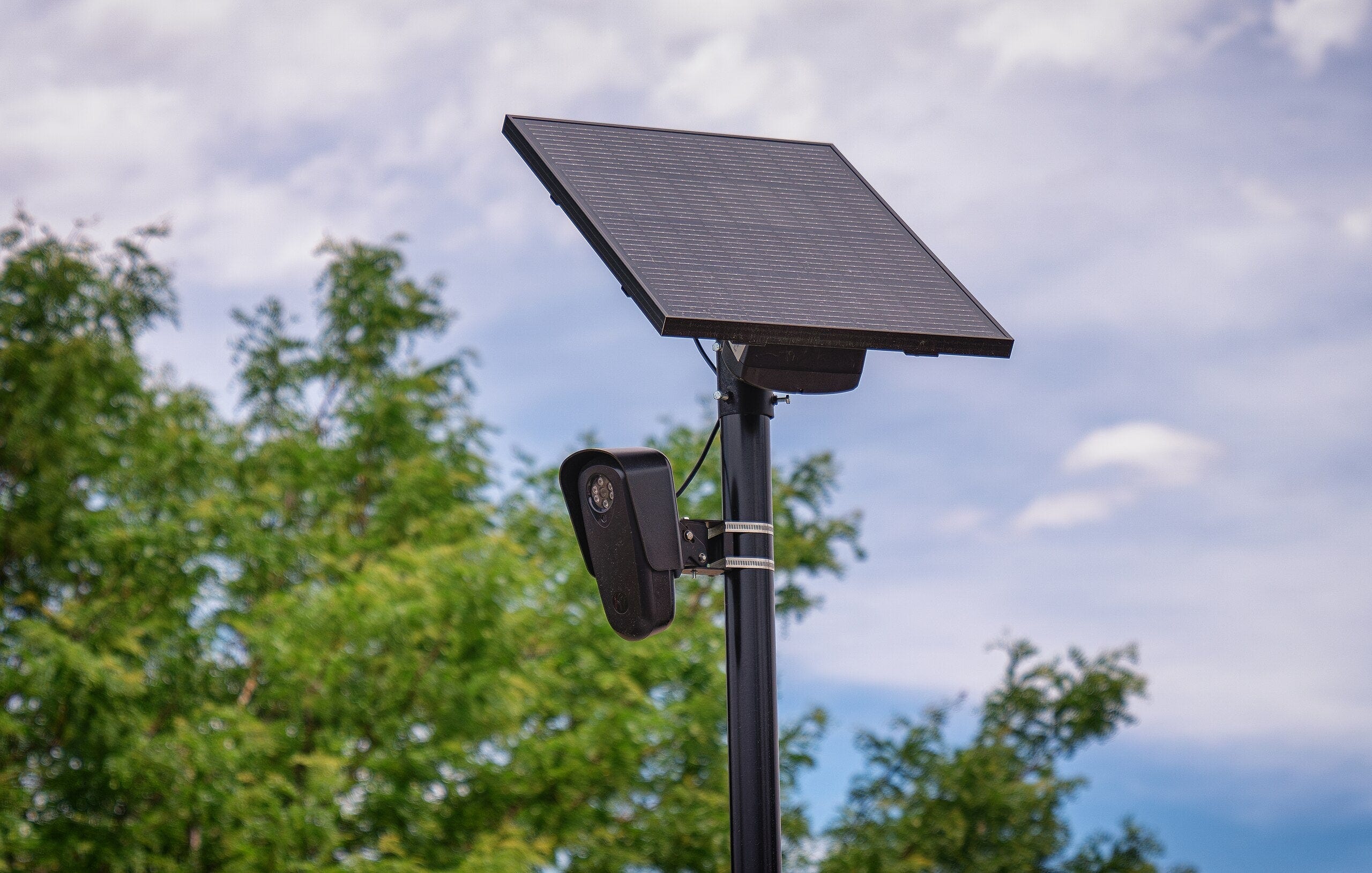
In the last year, more than 20 police officers from Georgia have been disciplined, fired, and even criminally charged for misuse of Flock Safety’s national database of license plate readers for personal reasons. According to investigations by Atlanta News First, the cases include allegations that officers tracked former romantic partners, spouses, acquaintances, and other individuals with no legitimate law enforcement purpose.
The most recent case is the arrest of three deputies with the Richmond County Sheriff’s Office this week for accessing the database inappropriately. These cases are part of a number of cases involving officers in the state of Georgia who have misused the technology in one of the fastest-growing surveillance technologies.
The Flock Safety system is one of the largest license plate recognition (LPR) networks in the nation. Numerous cameras operated by police forces, communities, companies, and municipalities capture images of moving vehicles, including license plates.
According to its proponents, when applied correctly, the technology has helped police recover stolen cars, locate missing persons, and solve cases of violent crime by identifying suspects. However, the same technology also produces a vast database that can tell us where people go, where they live, where they work, and whom they visit.
When access to that information is abused, it can become an extraordinarily powerful stalking tool. To be clear, I personally do not support anything mass surveillance related period, but for the sake of this article, I wrote the argument both sides make in support of Flock AI cameras getting installed across the US.
Faced with this problem, Flock Safety recently developed a new auditing system utilizing artificial intelligence technology. Instead of having supervisors manually check thousands of searches performed in the database, this system analyzes officers' activity and flags searches that seem to contradict the police department's policies.
Civil liberties supporters, on the other hand, point out that the latest arrests show more than just that the mechanisms function… they are concerned about recent changes to Flock's transparency policy, since the company started deleting officers’ names from its publicly available audit logs and replacing them with anonymous identification numbers.
Flock notes that the changes were implemented following warnings from law enforcement agencies that activists were using the public audit documents to identify undercover police officers. The critics argue that by limiting information, it is harder for journalists and watchdog organizations to expose any misconduct.
In at least two known cases, including one in Georgia, people discovered officers had allegedly searched for their vehicle information through public audit records compiled by the transparency website HaveIBeenFlocked.com. Without detailed audit information, similar abuses could become harder for the public to detect.
These Georgia cases reflect a much bigger problem associated with modern surveillance technologies. License plate readers have been proliferating across the U.S. and now generate billions of scans annually. Advocates believe they are highly useful for investigation purposes and can help identify criminals and even find lost individuals; however, every time access to the information expands, the potential impact of such misuse only grows.
The current trend of abuse proves the need not only to trust people, but also to have proper control over surveillance systems, independent auditing, and transparency.
A technology capable of tracking down a criminal is also capable of stalking a civilian. Most of the people who have to bear the brunt of the use of such surveillance technology in a predatory manner are women.
People need to put on cos-play ICE uniforms and destroy flocks