

A 56-year-old refugee from Myanmar, who survived war and immigration to America, was nearly blind and unable to speak English. He was released from custody and dropped off alone at a coffee shop in Buffalo, New York, during one of the roughest winters the East Coast has seen in years.
Five days later, he was found dead. This is what we know about the death of Nurul Amin Shah Alam.
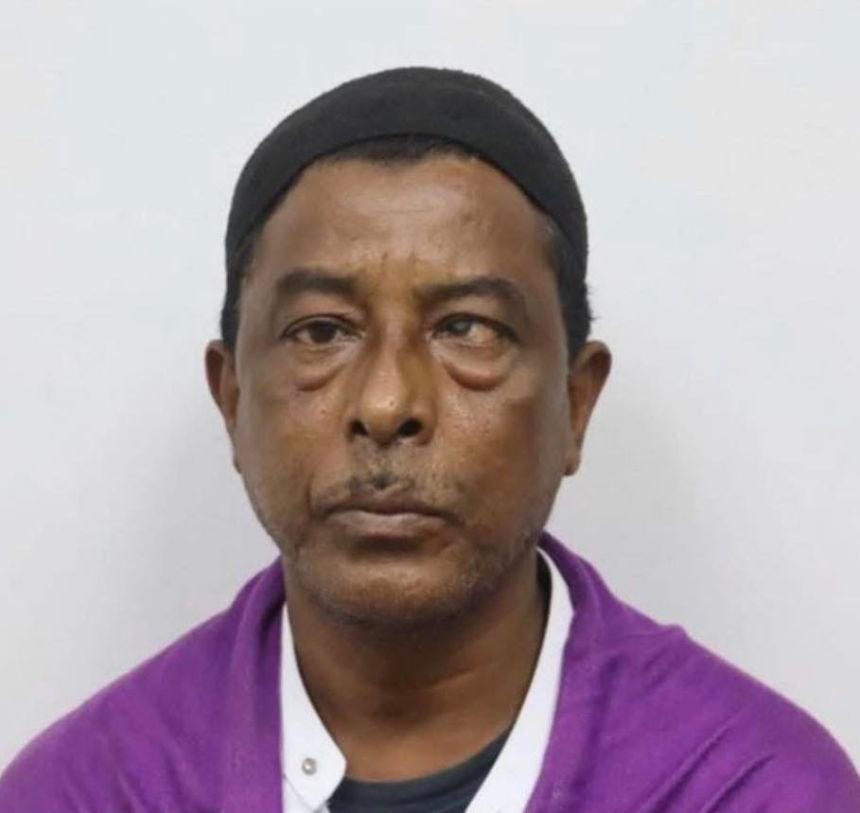
According to officials, Border Patrol agents took Shah Alam to the coffee shop shortly after he was released from the Erie County jail on February 19. He was held there for about half a year while facing criminal charges that were eventually resolved with a misdemeanor plea deal.
On Tuesday evening, Buffalo police found his body roughly four miles away from where the agents had left him. While the medical examiner later ruled his death to be health-related, and said that there were no signs of homicide or exposure, investigators say they are still trying to piece together the final days of his life.
Buffalo Mayor Sean Ryan didn’t hold back, calling the incident “unprofessional and inhumane.”
A man who was nearly blind, spoke little English, and had no known support with him was left alone on a cold winter night, without his family being told where he was dropped off.
Congressman Tim Kennedy called the death “horrific” and demanded a transparent investigation at the local, state, and federal levels.
The central question isn’t just how he died. It’s why someone so vulnerable was left alone in the first place.
His story just gets more and more gut-wrenching the deeper you dig. According to his family, he was arrested in early 2025 after getting lost while using a curtain rod as a walking stick. Police reportedly interpreted the rod as a weapon when he couldn’t understand their commands, leading to multiple charges, including assault and trespassing.
He remained in jail for nearly a year while his case moved through the courts.
Earlier this month, prosecutors agreed to a reduced misdemeanor plea. His bond was posted on February 19, and jail officials notified federal agents because an immigration detainer had been placed on him.
Soon after, Border Patrol agents took custody. Federal officials say they used a translator app and that Shah Alam requested to be taken to the location where he was later left. Agents described the coffee shop as a “warm, safe location” near his last known address and said he showed no signs requiring additional assistance.
But his family says they never knew where he had been dropped off, and that he could not read, write, or use electronic devices to contact anyone. Would it have been so hard for the authorities to contact his family and have them meet him at the coffee shop?
Shah Alam was a refugee continuously searching for a home. He arrived in the United States as a refugee in December 2024. His family is Rohingya Muslims from Myanmar, part of a persecuted minority that fled widespread violence and what the U.S. has recognized as genocide.
His son told reporters his father’s only wish was simple: to eat home-cooked food and be reunited with his family. Instead, they spent days searching for him.
Whatever the final investigation concludes, one thing is already clear: this didn’t have to end this way. A man who was nearly blind, who spoke little English, and who had just spent a year navigating a system he barely understood was left to fend for himself and never made it safely back to his family.
Officials may argue procedure was followed, but procedure isn’t the same as care, and legality isn’t the same as humanity. The real question now isn’t just how Nurul Amin Shah Alam died, it’s why a system designed to process people failed to protect someone so clearly vulnerable.
His family deserves answers, the public deserves transparency, and if this case reveals anything, it’s that accountability can’t just begin after a tragedy; it has to exist before one happens.
They seem to do this on purpose...
I am glad you grabbed the story inclusive of the injustice of incarceration for using a curtain rod as a walking stick. The regime could not execute their diabolical plans of crimes against humanity unless people carried it out. Individual people collecting a paycheck to harm, injure, or kill other humans. For a salary that would never cover the value of a human life. These employees are fathers, brothers, uncles, sisters, daughters, mothers, neighbors — living among us. The deep anger and sadness we experience is not solely about the corrosion of trust in government but also the pulling of threads on the fabric of trust in humanity.