

New reporting claims U.S. and Israeli officials explored reinstalling one of Iran’s most controversial former leaders. If true, it raises uncomfortable questions about what “regime change” actually means.
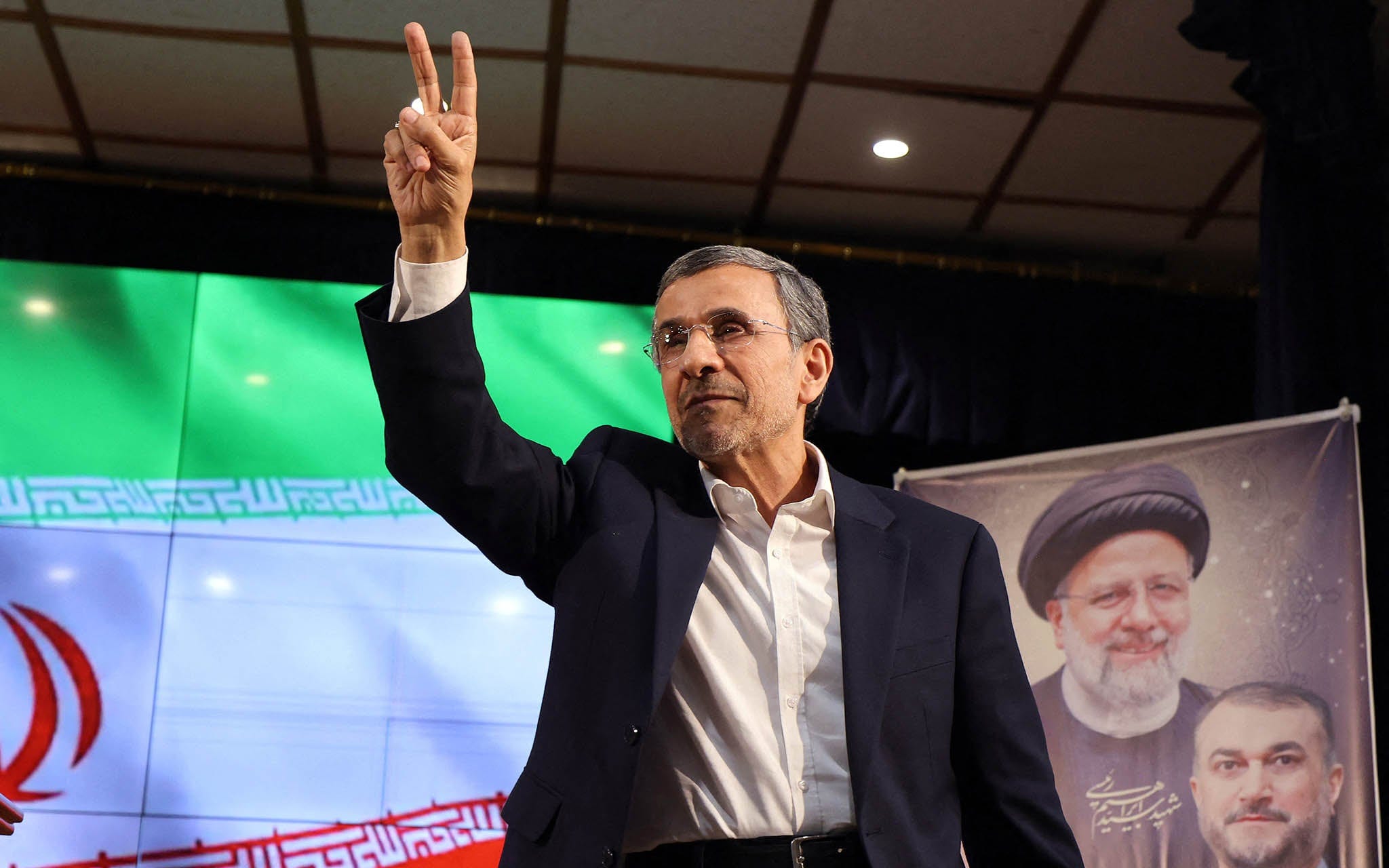
For months, Americans were told the goals of the U.S.-Israeli war with Iran were narrow and strategic: weaken military capabilities, destroy nuclear infrastructure, and reduce regional threats.
But new reporting from The New York Times paints a much bigger and far stranger picture. According to U.S. officials briefed on the matter, Israel allegedly entered the war with an additional goal: regime change, and not just regime change in theory, but a specific replacement in mind: former Iranian President Mahmoud Ahmadinejad.
Yes, that Mahmoud Ahmadinejad.
The same leader is known internationally for Holocaust denial, hardline rhetoric, and inflammatory statements about Israel and the West. The same man who spent years symbolizing everything American officials claimed they opposed in Iran.
According to the report, Israeli strikes early in the war allegedly included an operation intended to free Ahmadinejad from house arrest as part of a broader transition plan. Officials say the effort quickly unraveled after Ahmadinejad was reportedly injured and later distanced himself from the proposal.
If these claims are accurate, they create a larger question: what exactly was the endgame?
Because for decades, Americans have heard the same justification for intervention after intervention: democracy, stability, freedom, human rights. But history often tells a messier story. Again and again, “regime change” becomes less about empowering populations and more about installing leaders viewed as strategically useful.
And if the alleged replacement for Iran’s government was someone with Ahmadinejad’s history, critics will ask whether this was ever truly about values at all.
The most striking part of the reporting isn’t just the alleged plan itself. It’s the contradiction. Publicly, leaders framed the conflict as limited and defensive. Privately, according to these accounts, officials may have been contemplating the political future of an entire nation.
When wars expand beyond their publicly stated goals, people have every reason to ask harder questions, and if history has taught us anything, it’s that the most important conversations often begin with the plans the public was never supposed to see.
This is like what the fourth time this has happened in Iran's history
Hoping to install another puppet in Iran
How woefully stupid is the Trump regime? The IRGC would kill him first.