

The consequences of targeting energy infrastructure are no longer theoretical; they’re already here. Anti-war activists tried to warn you, but it’s about to get bad… so buckle up and make sure you fill up your gas tank.
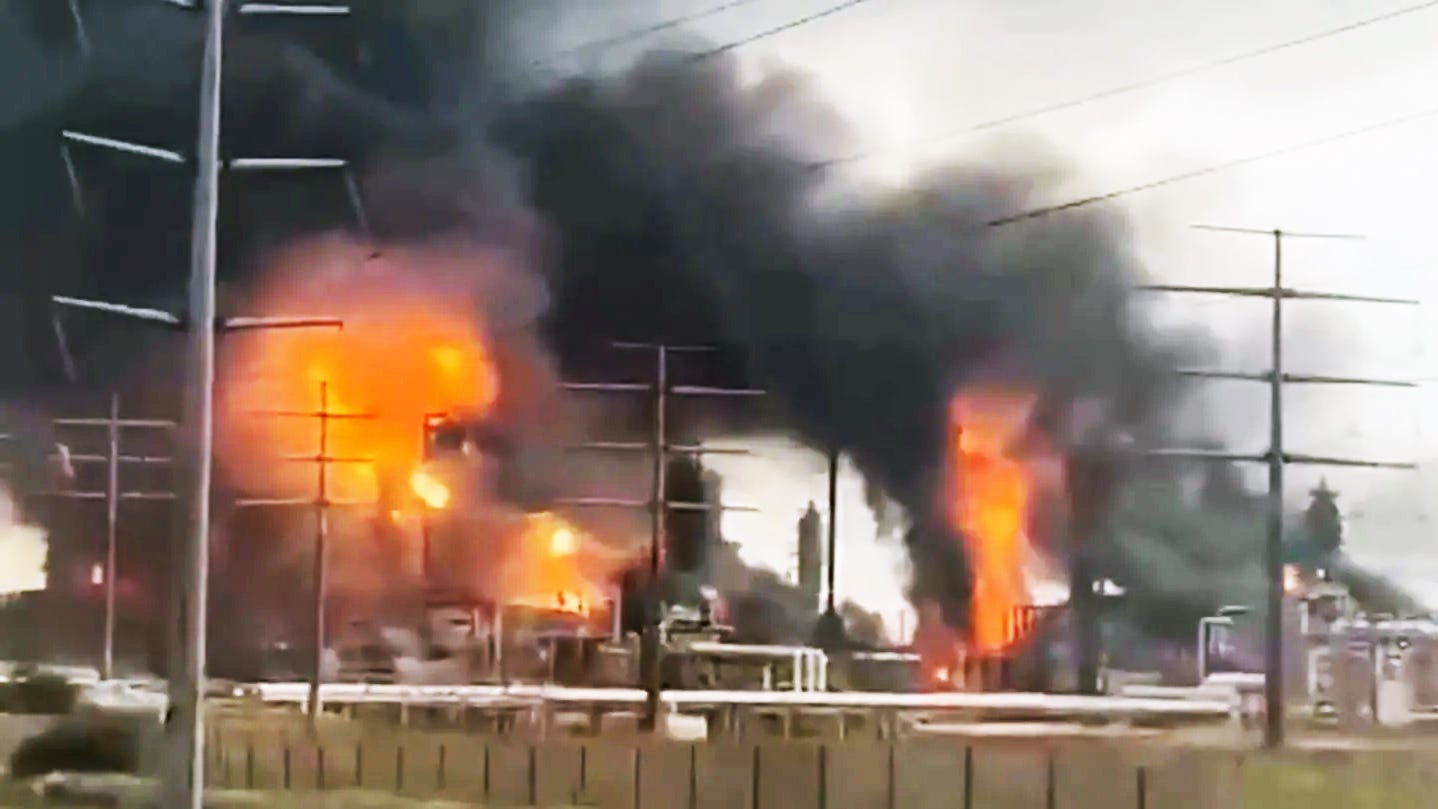
Oil and gas prices are surging after a new wave of strikes between Iran and Israel hit critical gas facilities across the Gulf (which we talked about yesterday), triggering fears of long-term disruption to global energy supplies.
What most Americans don’t understand is that this isn’t just a temporary disruption; it’s a structural shock.
Global oil benchmark Brent crude briefly surged to $119 a barrel, and while it has since pulled back slightly, prices remain sharply higher, rising nearly 60% since the war began in late February.
Gas prices are telling the same story… in Europe, wholesale gas prices spiked to their highest levels in over a year. In the UK, prices have more than doubled, with clear warnings that household energy bills are likely to follow.
This is how quickly a regional escalation becomes a global economic problem. The latest strikes have expanded the scope of the war in a way that energy analysts had long warned about.
After Israel targeted Iran’s South Pars gas field, the largest in the world, Iran retaliated by striking Qatar’s Ras Laffan facility, the single biggest LNG export hub globally. What was once a conflict centered on military targets is now directly hitting the infrastructure that powers the global economy.
And once that happens, containment becomes almost impossible. The impact isn’t just showing up in energy markets… It’s moving through the entire global economy.
Stock markets across Asia, Europe, and the US all dropped following the escalation. Airlines are warning that ticket prices could rise as fuel costs increase. Central banks are now reconsidering interest rate hikes as inflation risks climb again.
In other words: this doesn’t stay in the Middle East, it shows up in your rent, your groceries, your flights, your bills.
This is how the cost of war expands. Quietly at first, then all at once. A strike on a gas facility results in higher bills, higher prices, and deeper instability for people thousands of miles away. The decisions are made in war rooms, but the consequences are lived everywhere else.